What the First 30 Days of a Cloud Migration Consulting Engagement Should Look Like

Most cloud migrations don’t fail in the data center. They fail in the planning phase.
When organizations start a cloud migration consulting engagement, expectations focus on the destination. Lower costs. Faster deployments. Modernized infrastructure.
Yet what gets underestimated is how much the first 30 days matter.
Why the First 30 Days Matter Most
A cloud migration isn’t a technical exercise alone. It’s a change across infrastructure, applications, teams, and processes.
Providers who jump to execution before understanding the business context create technical debt from day one. Standing up VPCs before completing dependency mapping is a common example.
Basically, the first 30 days answer foundational questions –
- What are you moving? Why?
- How should it be architected?
- What does success mean to each team?
Done well, this phase turns a risky project into a sequenced roadmap.
Organizations that skip this phase often discover the consequences during wave one. A single unidentified dependency can halt an entire migration sequence.
This foundation further separates migrations that land on time from those that stall mid-transfer and require rework.
💡While the first 30 days of cloud migration set the pace, long-term success depends on choosing the right migration partner. Look beyond certifications and pricine, and evaluate their experience with modernization, security, cost optimization, and post-migration support. The right cloud migration service providers won’t just move workloads; they’ll help build a scalable, resilient, and future-ready cloud foundation.
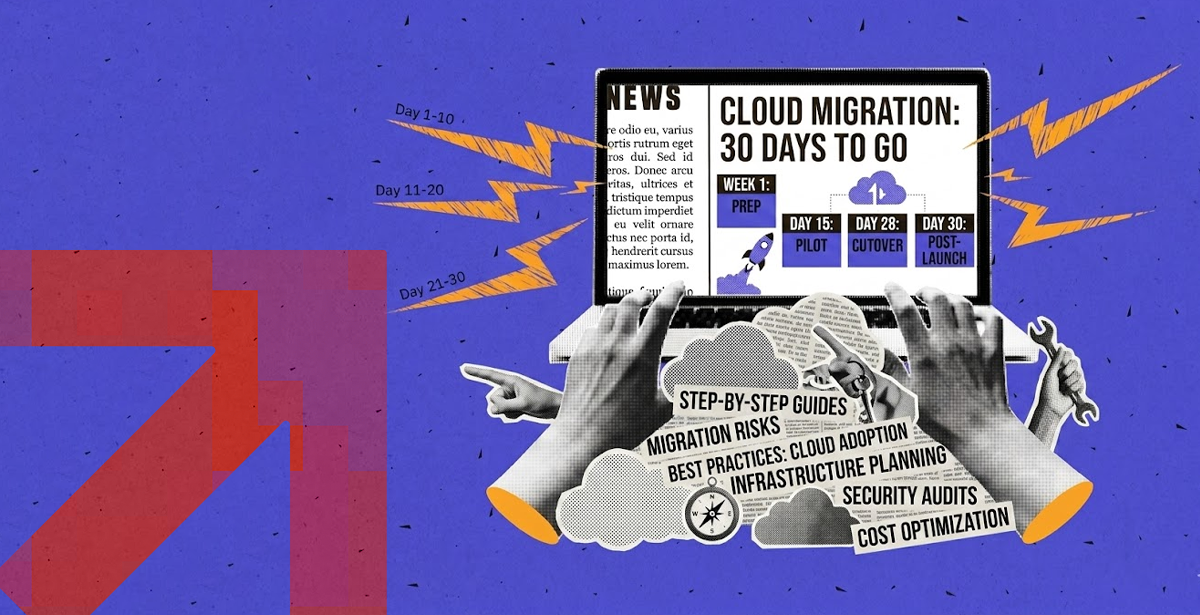
Phase 1) Days 1–10: Discovery, Assessment, and Stakeholder Alignment
The first ten days of any cloud consulting services engagement focus on understanding the current state. Completely, not selectively.
Infrastructure and Application Inventory
A rigorous discovery covers infrastructure, application dependencies, data flows, compliance requirements, and operational constraints.
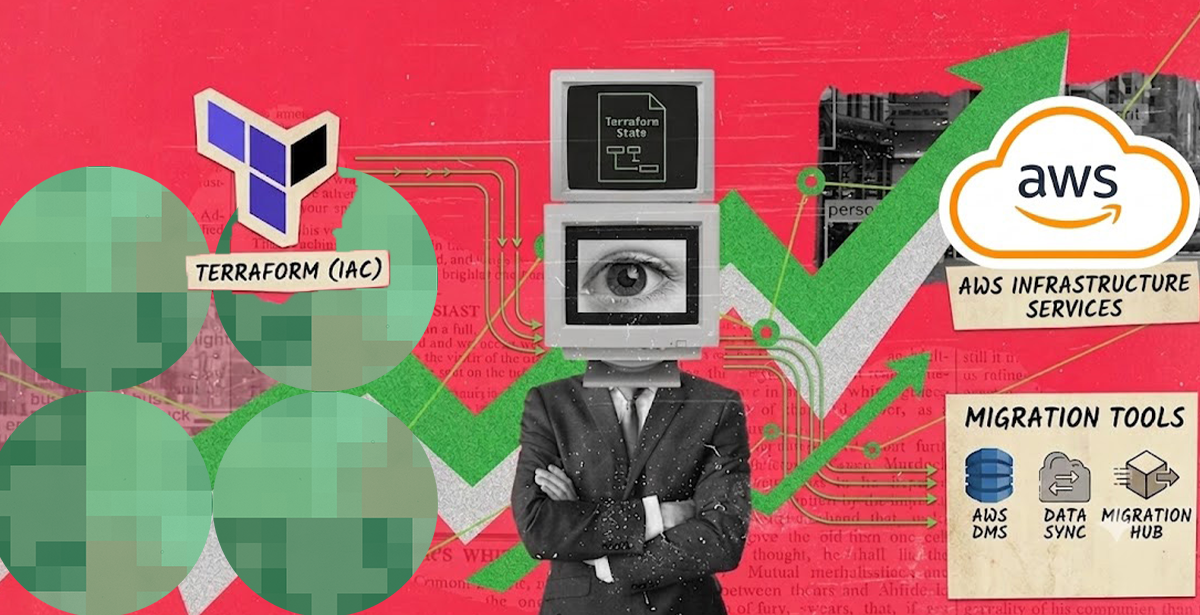
Tools like AWS Migration Evaluator and custom dependency mapping build an accurate inventory. They capture every resource and relationship in your environment.
Without it, teams make costly discoveries mid-migration. A critical application might have an undocumented Oracle dependency on a physical server. Thankfully, having a good cloud migration solutions prevent this.
Further, dependency mapping must go beyond servers. It should cover network topology, third-party integrations, authentication flows, and regulatory touchpoints. This is especially important for organizations under HIPAA, SOC2 Type II, or ISO 27001.
Stakeholder Alignment and Business Goals
Technical discovery runs in parallel with stakeholder alignment. That’s because migrations fail when only engineers are involved.
Further –
- Engineering defines success as P95 latency.
- Finance measures it in cost reduction.
- Operations cares about deployment reliability.
A serious engagement surfaces all three definitions early and builds consensus before architecture decisions are made.
With discovery complete, the engagement moves into architecture.
Phase 2) Days 11–20: Cloud Migration Consulting at the Architecture Stage
The migration blueprint is where real consulting value becomes visible. Generic providers produce generic blueprints. Disciplined ones make workload-specific decisions.
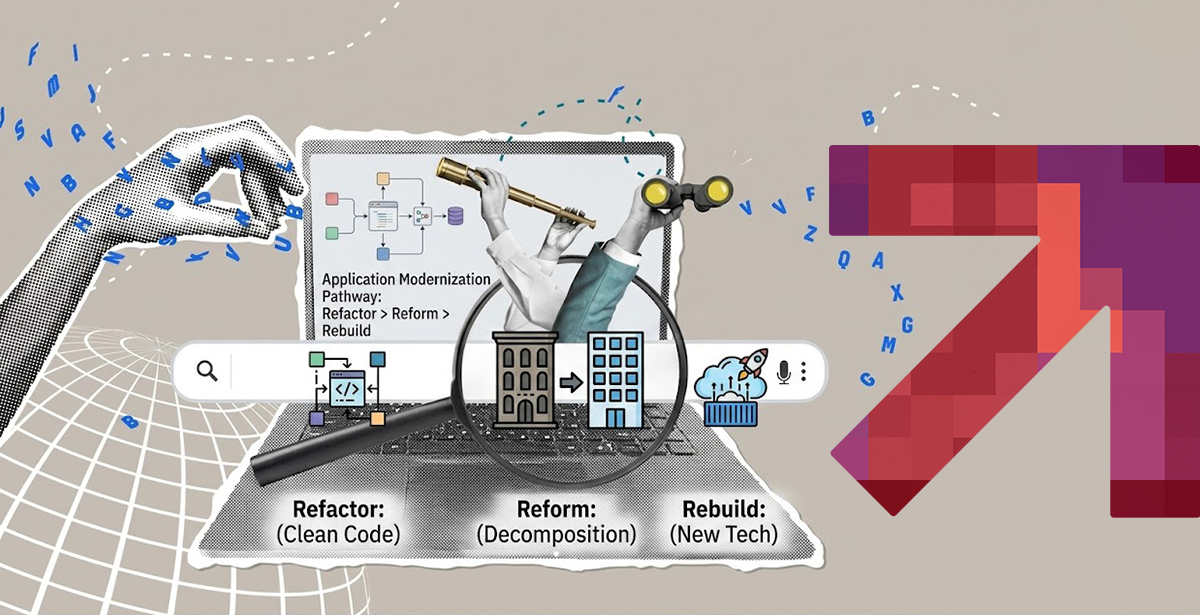
The blueprint must specify a strategy for each workload. Some move via lift-and-shift rehost, while others get replatformed, for example from on-premises MySQL to Amazon Aurora. And there’s always the chance some need full re-architecting into microservices or serverless patterns.
Not every workload deserves the same approach. Cloud adoption services that push one strategy for everything are optimizing for their simplicity, not your outcome.
A well-built blueprint also covers security and compliance design. IAM roles, encryption standards, network segmentation, and secrets management must be defined before provisioning begins.
For organizations under SOC2, HIPAA, or GDPR, this phase further validates compliance before a single resource is created.
The 7 Rs migration framework (retire, retain, rehost, replatform, repurchase, re-architect, relocate) provides a structured decision model. Use it as the basis for the per-workload blueprint.
Once the architecture is signed off, validation begins.
Phase 3) Days 21–30: Proof of Concept and Readiness Validation
No blueprint is credible until it has been tested. The final ten days should deliver a working proof of concept. And that should be a real workload in the target environment, not a slide deck.
The PoC validates core architectural assumptions –
- Does the compute and database configuration perform within expected parameters?
- Do CI/CD pipelines integrate with existing tooling?
- Do security controls hold under real traffic?
So, this is an essential component you can’t do without.
💡Your choice of CI/CD pipelines matters, which is why you need to discuss this thoroughly with your cloud migration consulting services provider. A successful migration isn’t just about moving workloads to the cloud. It’s about enabling faster, safer, and automated software delivery. Two recommendations you can ask your partner about are GitLab CI/CD vs. AWS CodePipeline as both are some of the highly recommended options out there.
Cloud migration service providers should also run three readiness assessments at this stage.
- Team Readiness: Do engineers have the skills to operate what is being built?
- Operational Readiness: Are monitoring and on-call runbooks in place?
- Migration Readiness: Is there a tested rollback plan for each workload?
The PoC also serves as a training ground. Engineers learn the new toolchain in a controlled setting before go-live. Operational teams build familiarity with monitoring dashboards and alert configurations. These small gains matter at scale.
By day 30, three outputs should exist:
- A signed-off architecture
- A phased migration roadmap with clear ownership
- Working PoC evidence that the plan holds under real conditions
Knowing the milestones also makes warning signs easier to spot.
Signs Your Cloud Migration Solutions Engagement Is Off-Track
Certain patterns in the first 30 days reliably predict problems. Each one is worth watching for.
- Your partner provisions infrastructure before finishing dependency mapping.
- The migration blueprint is a generic template with your name inserted.
- Finance, operations, and compliance weren’t part of the discovery phase.
- There’s no planned proof of concept. Only a timeline.
- Cost optimization is a future workstream, not a design requirement from day one.
These aren’t minor gaps. Each predicts scope creep, budget overruns, or avoidable outages later in the migration.
These patterns share a root cause. They all reflect a partner skipping the hard work of the first phase. Visible activity gets prioritized over real progress.
None of these should feel like acceptable trade-offs. A 30-day first phase is a small investment. Especially when compared with how a failed migration can set the organization back by months.
The right partner avoids all of these from the start.
The Right Partner Makes the Difference
Cloud migrations are won or lost in the preparation phase. That’s why the first 30 days of a cloud migration consulting engagement reveal everything. It’s also the duration in which your partner either earns your trust or shows the limits of their process.
Luckily, you don’t have to search beyond this page to find one of the best cloud consulting services around.
Whether you need our application modernization or cloud-related expertise, we’re happy to discuss your project. And let us show you what a rigorous first phase looks like in practice, ensuring you of maximum value and ROI.