Application Modernization Services – To Refactor, Replatform, or Rebuild?

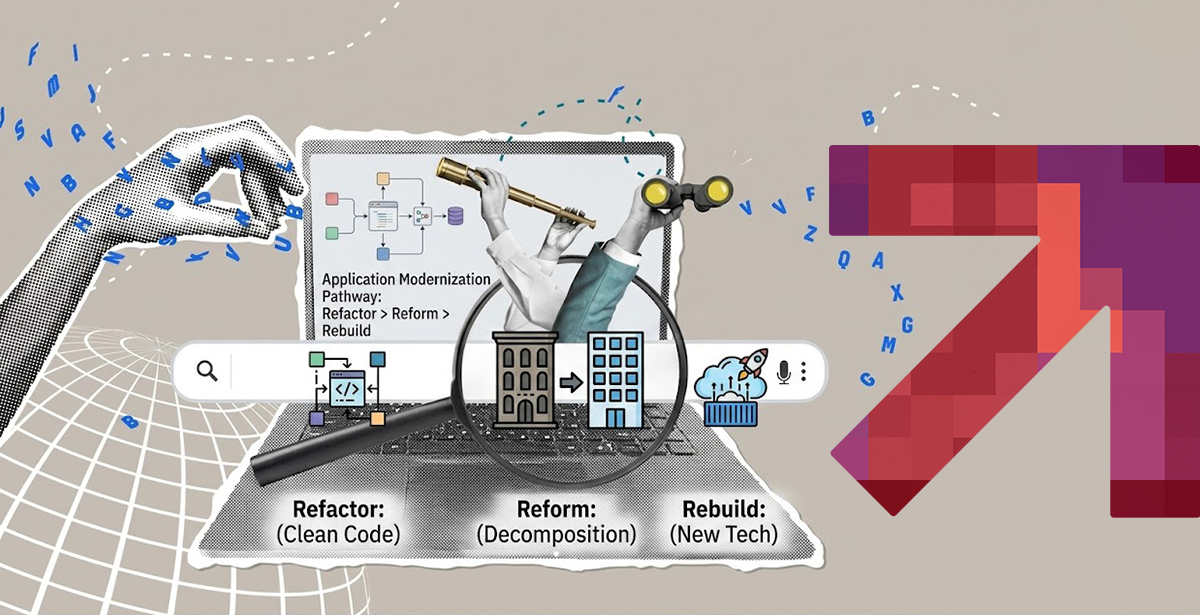
Not every legacy system deserves the same treatment. Some need surgery. Some need a new home. Some need to be rebuilt from the ground up.
The decision to refactor, replatform, or rebuild is one of the most consequential choices in any modernization program. Get it right and you accelerate the roadmap. Get it wrong and you inherit the same problems in a new environment.
Application modernization services deliver value only when the strategy matches the actual problem.
Why Legacy Application Modernization Demands Strategy, Not Templates
Legacy application modernization fails most often not because of technical execution but because of misdiagnosis. Teams pick a path before they understand what is actually broken.
The three most common modernization paths are refactor, replatform, and rebuild. Each addresses a different root cause. Applying the wrong one to the wrong system is how programs turn into multi-year migrations that deliver marginal results.
Application modernization consulting engagements that start with diagnosis rather than a predetermined cloud target produce measurably better outcomes. The first deliverable should always be an honest assessment of the existing system.
Refactor: When the Code Is the Problem
Refactoring changes the internal structure of the application without changing the platform. The system stays where it is. What changes is the code: extracting services, removing technical debt, optimizing queries, and decoupling tightly bound components.
Refactoring is the right choice when the architecture is sound but the codebase has drifted. A monolith on a stable platform that is slow to release and hard to test is a refactor candidate.
It is not the right choice when the platform is the constraint. Refactoring an application starved of compute on aging infrastructure will not fix the performance problem.
A well-scoped refactor also de-risks future modernization. Cleaning up a codebase before replatforming it means less technical debt follows the application into its new environment.
DPL treats refactoring as part of DevOps integration. Code improvements are paired with CI/CD pipeline automation so changes ship continuously rather than in a single high-risk release.
💡For first-time cloud application development projects, prioritize building with cloud-native services from the start. Leveraging managed databases, container platforms, and infrastructure as code (IaC) reduces operational complexity, accelerates deployment, and creates a scalable foundation that can grow with application demand without requiring major architectural rework later. Just make sure you know everything there is to application development in cloud computing beforehand.
Replatform: When the Infrastructure Is the Constraint
Replatforming is not a lift-and-shift. Optimization is built into the migration, not deferred until after.
It moves the application to a new environment with minimal changes to the core logic. The functionality stays intact. What changes is where it runs: on-premises to AWS, bare metal to containers, relational databases to managed cloud services.
This path works when the application logic is solid but the hosting model limits performance, cost, or resilience. A well-written application on infrastructure that cannot scale horizontally is a replatform candidate.
DPL applied this approach for the Sindh Ombudsman engagement. The team modernized a government complaint management platform onto AWS without rewriting the core processing logic. The result was 65% faster complaint processing and 40% lower infrastructure cost.
Rebuild: When the Architecture Cannot Scale
Rebuilding means starting the architecture over. The existing application may be too tightly coupled, too expensive to maintain, or too far removed from current requirements. In those cases, no other path makes sense.
Rebuilds carry more upfront cost and risk than the other paths. They are also sometimes the only route to a system worth running long-term.
DPL’s work on the nGAGE platform required a full rebuild. The original architecture could not support true tenant isolation or the auto-scaling the business required. The rebuilt serverless architecture delivered 68% lower infrastructure cost and cut tenant onboarding from 2 days to under 5 minutes.
When rebuild is the correct answer, delaying the decision compounds cost. Every sprint spent patching the wrong architecture adds to the eventual rebuild scope.
A Framework for Choosing the Right Path
The decision between refactor, replatform, and rebuild comes down to three questions.
- First: is the architecture viable? If the fundamental structure of the application cannot support current business needs, a rebuild is the right path.
- Second: is the platform the constraint? If the architecture is sound but the environment limits performance, availability, or cost, replatforming is the targeted fix.
- Third: is the code the problem? If the codebase has accumulated debt but the platform and architecture are sound, refactoring is the right call.
Most enterprise application modernization programs apply all three approaches across different systems simultaneously. The framework applies whether you’re dealing with one application or a portfolio of 200. For large portfolios, segmenting systems by modernization path is itself a deliverable.
Now, all that said, your project may not necessarily need just one method.
Our PAF air-gapped Kubernetes project required all three paths. Monolithic applications were refactored into microservices. Infrastructure moved to RKE2 on bare metal. The CI/CD pipeline was rebuilt entirely for offline operation. The modernization roadmap set the sequencing that made it possible.
That discipline is what makes cloud modernization reduce operational costs rather than shift them to a new billing address.
Starting the Right Application Modernization Services Engagement
Legacy systems that slow release velocity, raise security exposure, or inflate infrastructure costs all need a clear diagnosis. That’s where the right application modernization consulting engagement begins.
DPL’s cloud modernization services begin with an architecture review that maps each system against current business objectives. The output is a modernization roadmap: which systems to refactor now, which to replatform next, and which require a rebuild.
Contact our team to start with discovery, producing better outcomes and helping you meet your app targets.